FakeBeforeAfter FakeBeforeAfter
Aesthetic Skincare Fitness Weight loss Hair Submit
Submit

Aesthetic procedures

Visual analysis of misleading before–after images in aesthetic medicine.

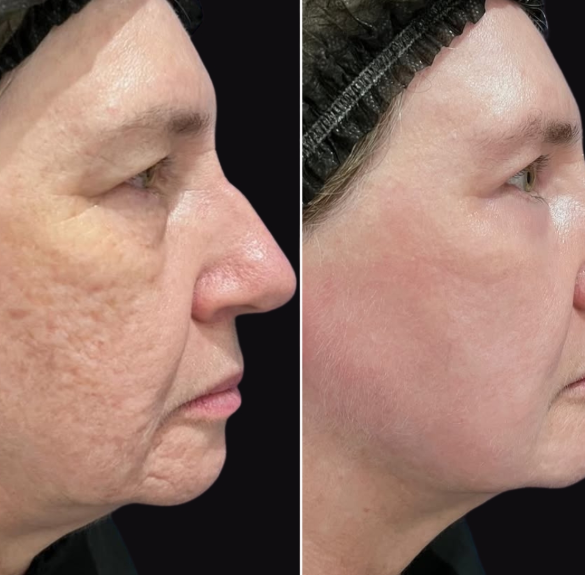
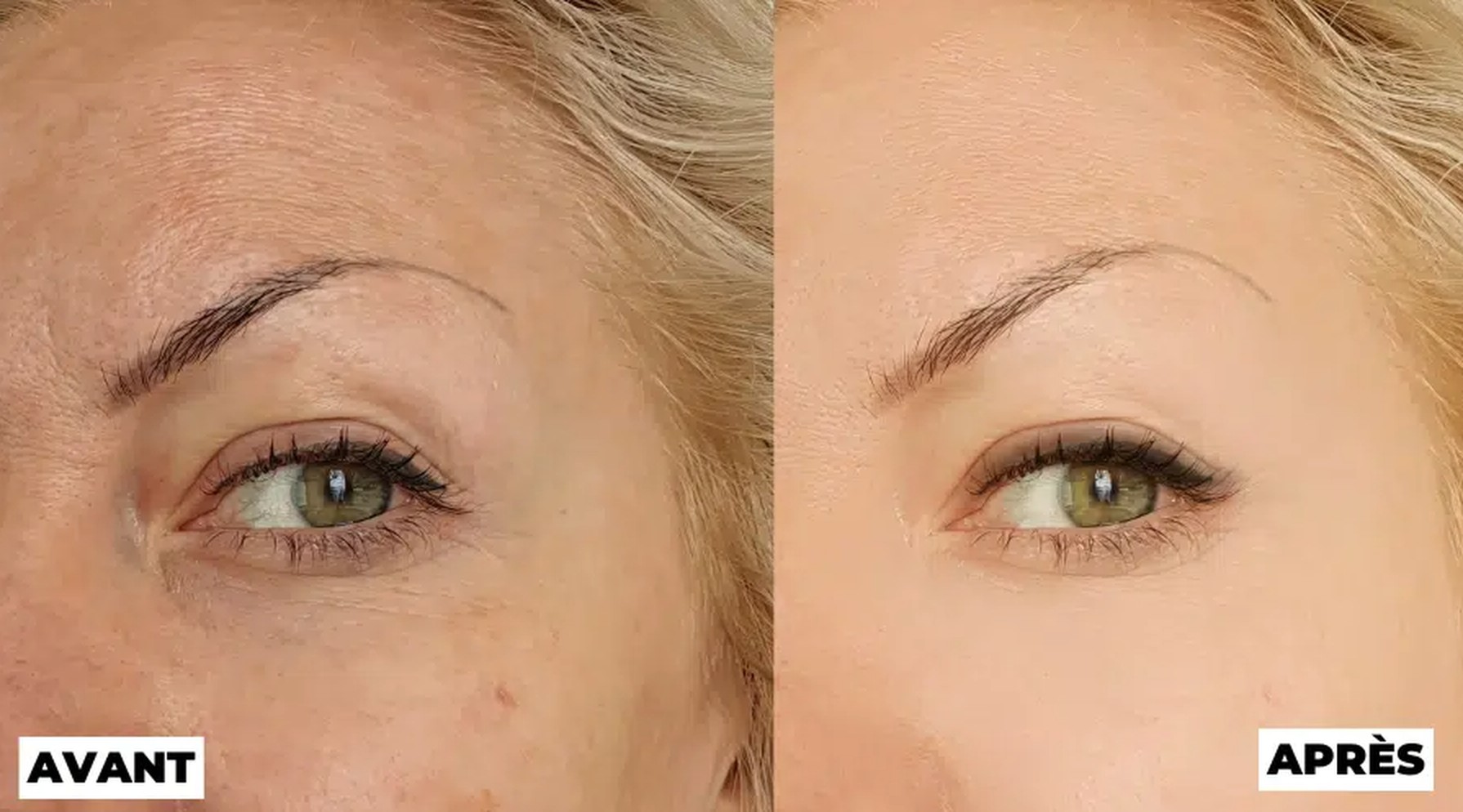
Fractional CO₂ Laser Resurfacing ↗

Fractional CO₂ Laser Resurfacing

Photoshop

These are literally the same photo. Same angle, expression, lighting, and skin features. The “after” shows only slight color correction and mild skin smoothing (reduced contrast, softened texture). No real skin change occurred — this is digital retouching, not treatment effect.

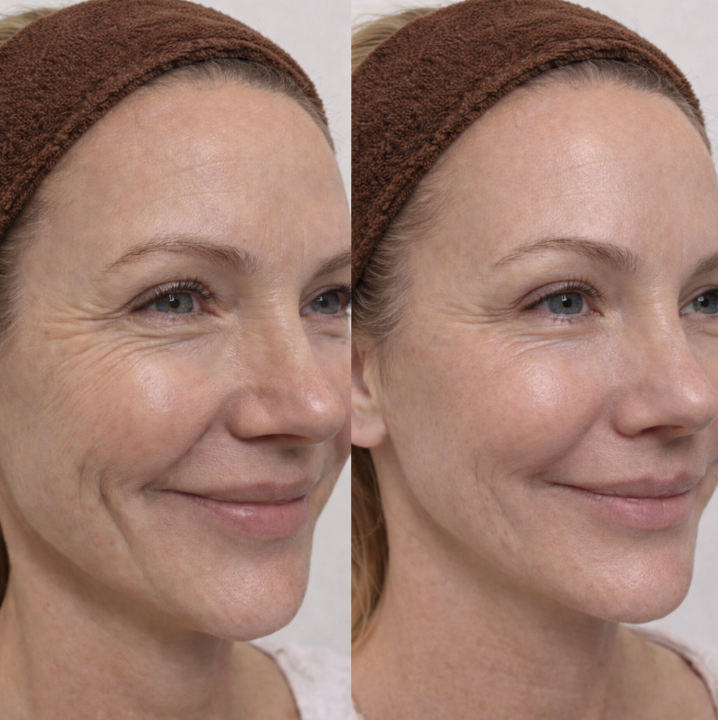
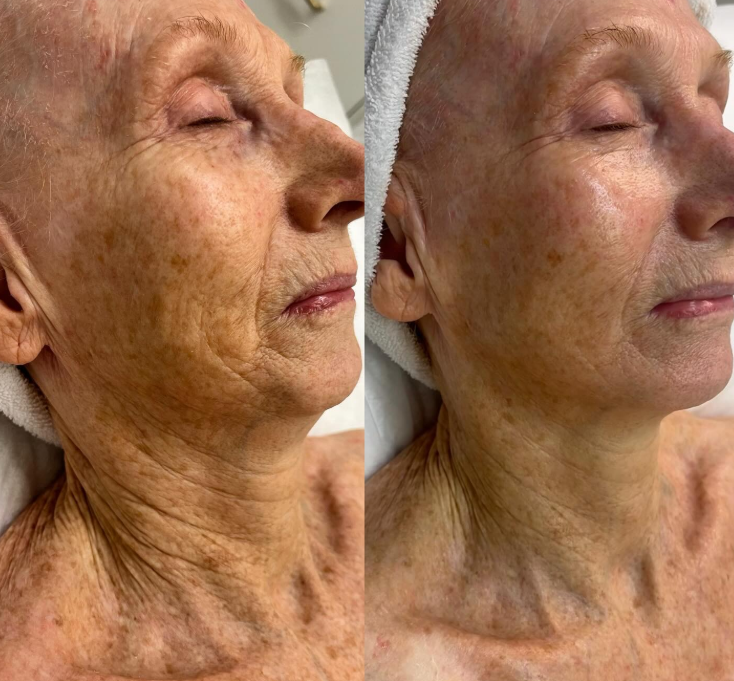
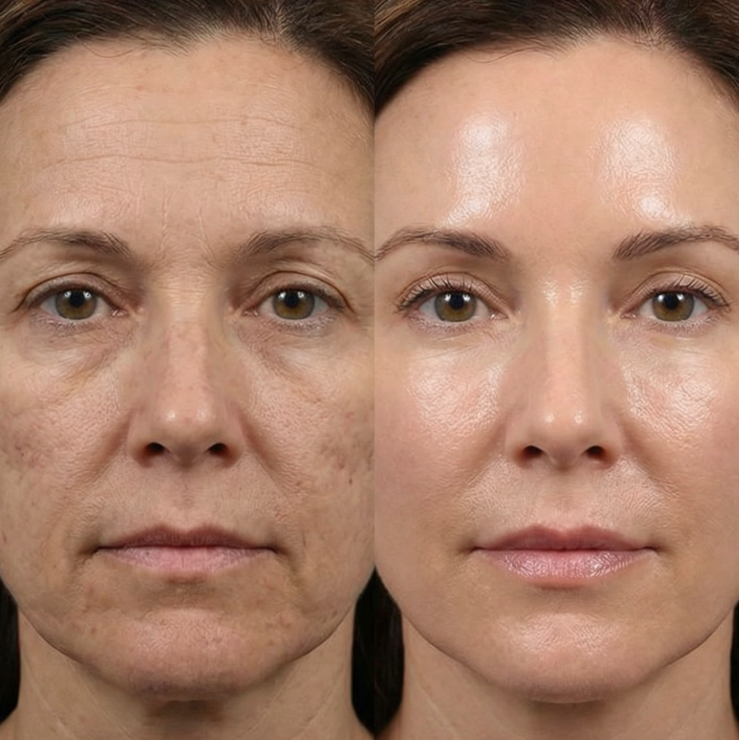
Skin rejuvenation using Raspberry Enzyme, Firming Peptide, and LED Therapy in just one treatment. ↗

Skin rejuvenation using Raspberry Enzyme, Firming Peptide, and LED Therapy in just one treatment.

Lighting · Photoshop

The “after” uses softer frontal lighting, skin oil/serum shine, color correction, and texture smoothing, optimized pose. Wrinkles haven’t improved, their shadows disappeared. A single LED + enzyme + peptide session cannot tighten neck skin, treat melasma or erase crepiness.

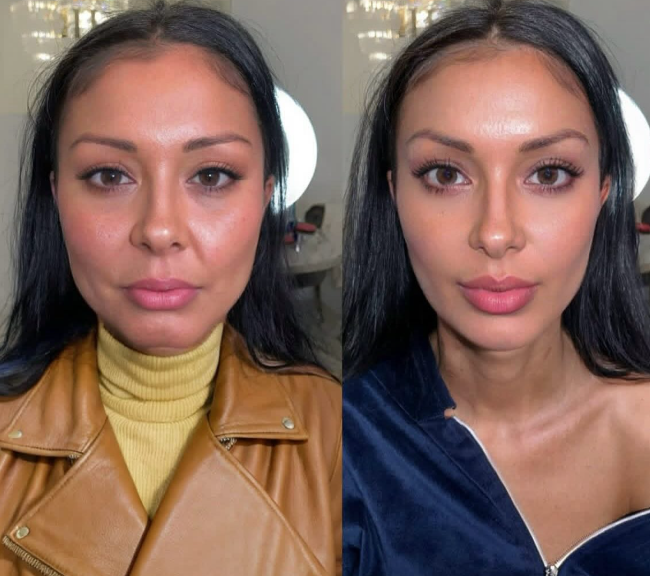
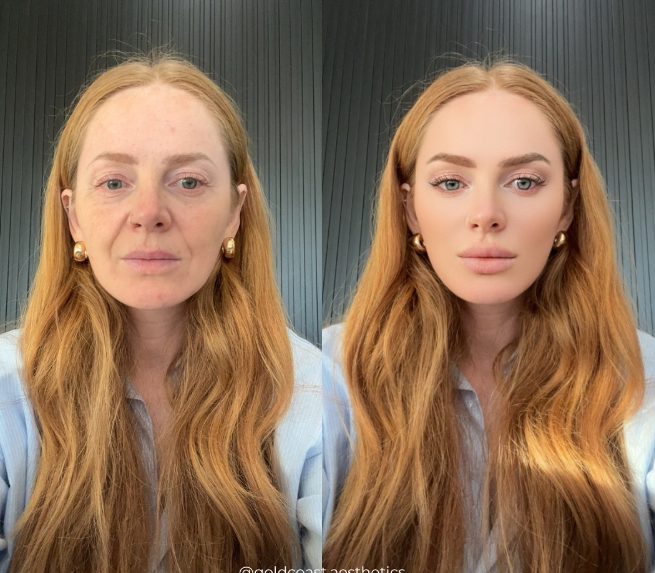
Before and after using 1 syringe of filler for full face and 8 units of neurotoxin in forehead, frown, crow's feet, masseters, and platysmal bands. ↗

Before and after using 1 syringe of filler for full face and 8 units of neurotoxin in forehead, frown, crow's feet, masseters, and platysmal bands.

Lighting · Pose / angle · Photoshop · Same Photo

You can’t achieve this result with 1 syringe of filler and 8 units of Botox for the full face. It’s the same photo, edited in Photoshop or a makeup AI app (most likely). The “after” is not a real picture.

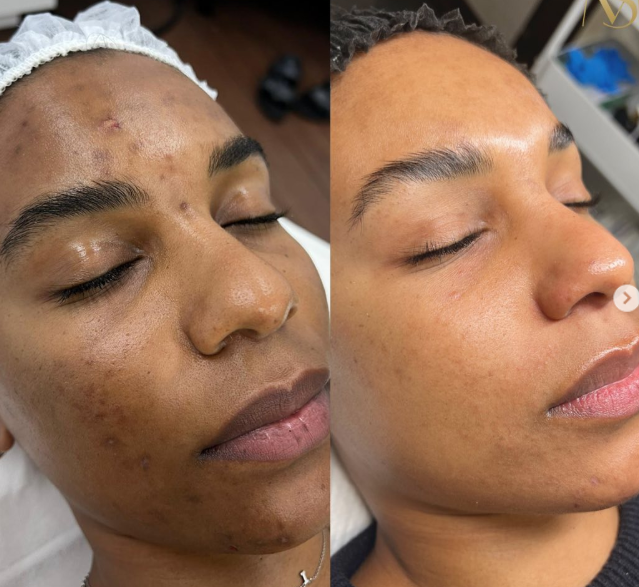
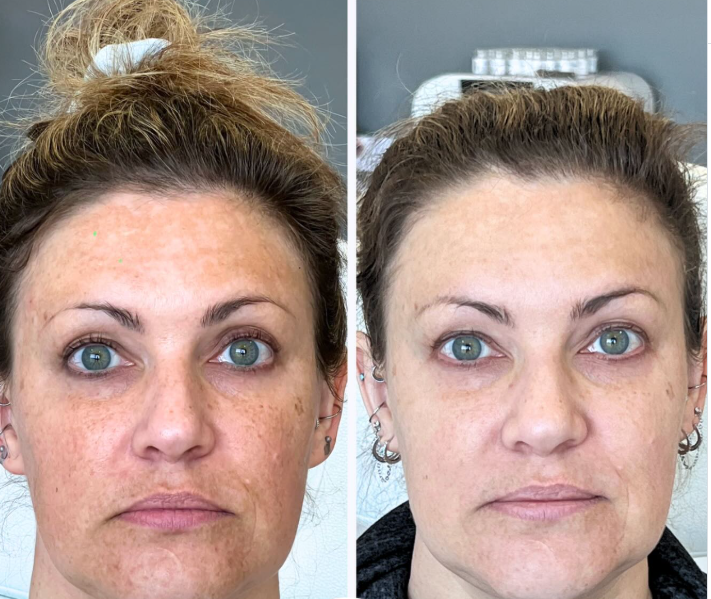
Improved melasma and brighter, more even skin after a 6-month treatment plan including peels, microneedling, and medical-grade skincare products. ↗

Improved melasma and brighter, more even skin after a 6-month treatment plan including peels, microneedling, and medical-grade skincare products.

Lighting · Photoshop · Other

The after image appears brighter and slightly cooler in tone, which can make pigmentation look lighter and more even compared to the warmer, slightly shadowed before photo. Even small exposure changes can significantly reduce the appearance of melasma in photos.

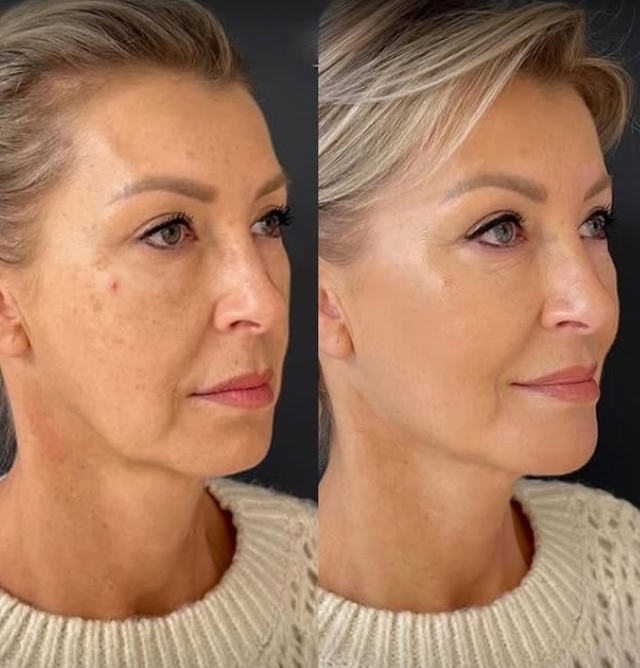
Major skin improvement after 5 sessions of home skincare combined with MAX and LED treatments. ↗

Major skin improvement after 5 sessions of home skincare combined with MAX and LED treatments.

Lighting · Photoshop

LED therapy genuinely great for skin. Not great enough to erase pigmentation, nasolabial folds, lift your jawline AND replace Photoshop in 5 sessions though. A smile helps too, apparently. 😄

RF result before and after. Didn't even try. ↗

RF result before and after. Didn't even try.

Lighting · Photoshop

literally the same photo twice. identical brow hairs, identical skin texture, identical eye shape. they just smoothed the skin, pumped up the brightness and contrast, and shipped it. the "after" eye is also somehow greener. Radiofrequency: good for wrinkles, great for iris pigmentation apparently. 💩This isn't before/after, this is before/Ctrl+L.

← Prev Page 2 of 2

Frequently asked questions

The most common methods include changing lighting between shots, adjusting the camera angle to flatter facial contours, altering facial expression or head tilt, and applying makeup or skin prep differently. Some clinics also photograph patients immediately after a procedure when temporary swelling creates a fuller, smoother look that fades within days.

Yes. Injectable results are heavily influenced by how photos are taken. A slight change in head angle can make jawline filler look far more dramatic. Lighting from below versus above completely changes how forehead lines appear. Clinics sometimes photograph the "before" under clinical fluorescent lighting and the "after" with professional portrait lighting, which flatters the result regardless of the actual treatment outcome.

Photos compress three-dimensional features into a flat image, which hides asymmetry and simplifies depth. A result that looks perfect in a front-facing photo may appear very different from the side or in motion. Cameras also capture a single moment in time, so temporary post-procedure swelling or redness may be mistaken for the final result.

Reliable photos use a fixed camera position, identical lighting, the same facial expression, no makeup, and a clear timeline stating how long after the procedure the photo was taken. Medical studies use standardized photography setups. If a clinic only shows heavily styled or filtered images, the actual results may be less impressive.

Not always. Laser treatment results depend on skin type, healing time, and environmental conditions. Photos taken immediately after treatment may show redness or swelling that temporarily plumps the skin. Changes in camera white balance can also make skin tone appear more even than it really is. Look for photos taken at least several weeks post-treatment under consistent conditions.
FakeBeforeAfter

Independent visual education project about misleading before-and-after images in aesthetic medicine. Powered by iGlowly.

Submit a photo Disclaimer DMCA & Takedown
© 2026 fakebeforeafter.com. All rights reserved. This site uses no cookies and does not track you.