FakeBeforeAfter FakeBeforeAfter
Aesthetic Skincare Fitness Weight loss Hair Submit
Submit

Fitness

Visual analysis of misleading fitness before–after transformations.

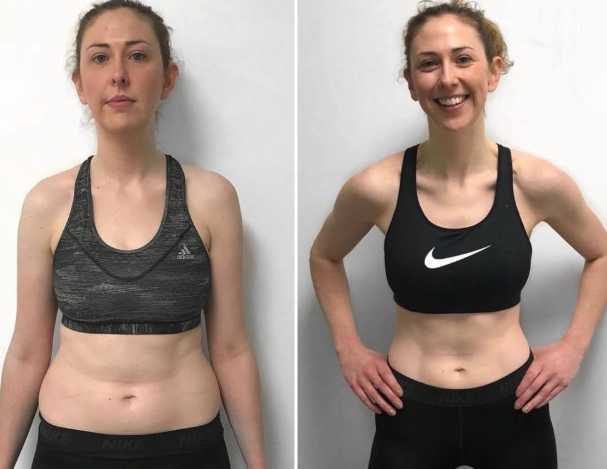
12-week fat loss transformation ↗

12-week fat loss transformation

Lighting · Pose / angle · Muscle engagement / posture · Photoshop

Classic misleading fitness before/after. Real progress likely happened, but the visual impact is artificially boosted. The “after” is farther from the camera (makes the torso look slimmer), she’s flexing, standing wider, pants are higher, and lighting creates shadows. The “before” is relaxed, closer, flat light. That combo easily adds a fake “fat-loss + ab definition” effect.
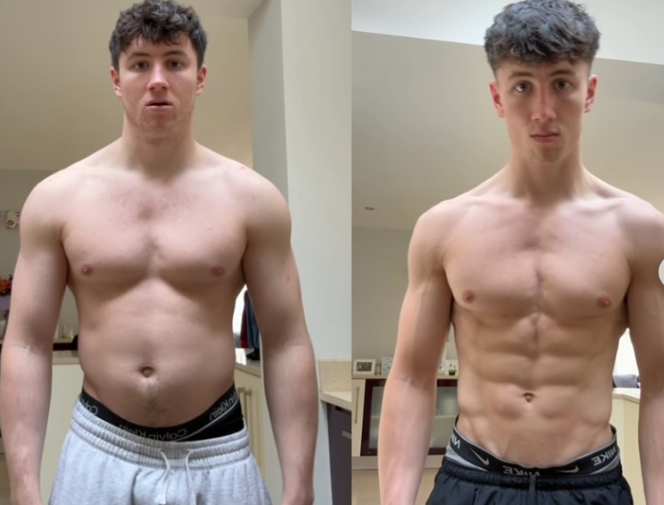
Visible muscle gain and body transformation in 12 weeks ↗

Visible muscle gain and body transformation in 12 weeks

Pose / angle · Muscle engagement / posture · Photoshop · Other

The before photo shows slouched posture and softer lighting, while the after photo has flexed muscles, better posture, and brighter lighting. This makes muscle definition appear more dramatic. The transformation may be partly due to posing and lighting rather than just exercise results. 12 weeks, huh

Frequently asked questions

The most common method is changing posture between shots. Slouching with a relaxed core in the "before" and standing tall with flexed abs in the "after" can create the appearance of significant fat loss in seconds. Lighting, camera distance, tanning, and even a post-workout pump all amplify the effect without any real body composition change.

Yes. Many viral transformation photos are taken hours or even minutes apart. A combination of water intake, sodium manipulation, carb loading, a gym pump, posture change, and lighting adjustment can make the same person look dramatically different within a single day. This is a well-known technique among fitness influencers and photographers.

Lighting is one of the biggest factors. Flat, overhead lighting in the "before" shot washes out muscle definition and makes the body look softer. Angled side lighting in the "after" creates shadows that emphasize muscle separation, abs, and vascularity. Professional fitness photographers use specific lighting setups designed to maximize the appearance of muscle definition.

Reducing water intake and manipulating sodium levels causes temporary changes in how much water the body holds under the skin. Bodybuilders and fitness models use this technique before photo shoots to appear leaner and more defined. The effect is temporary and reverses within a day or two of normal eating and drinking. It has nothing to do with actual fat loss.

Look for consistent lighting, the same camera angle and distance, a relaxed (not flexed) pose in both shots, and a clearly stated timeframe. Legitimate transformations typically happen over months, not days or weeks. Be skeptical of any transformation that does not disclose the conditions under which photos were taken or that shows extreme changes in a very short period.
FakeBeforeAfter

Independent visual education project about misleading before-and-after images in aesthetic medicine. Powered by iGlowly.

Submit a photo Disclaimer DMCA & Takedown
© 2026 fakebeforeafter.com. All rights reserved. This site uses no cookies and does not track you.