FakeBeforeAfter FakeBeforeAfter
Aesthetic Skincare Fitness Weight loss Hair Submit
Submit

Weight loss

Analysis of misleading before–after images claiming weight loss results.

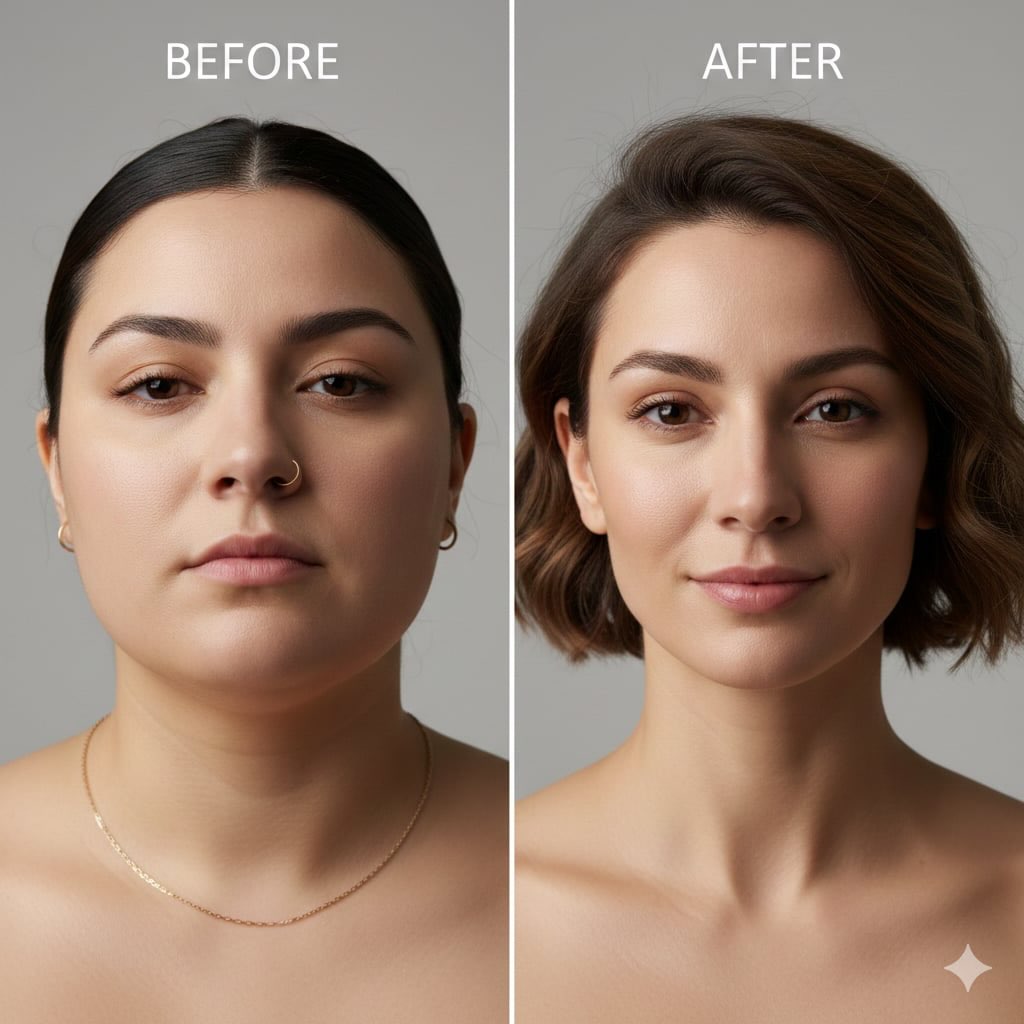
Lost 57lbs with 21-Day Smoothie Diet. People lose up to 16lbs and start feeling their best. Follow for daily weight loss motivation. ↗

Lost 57lbs with 21-Day Smoothie Diet. People lose up to 16lbs and start feeling their best. Follow for daily weight loss motivation.

AI generated

AI-generated B&A — and honestly, we're glad it's fake. Losing 57lbs (25kg) in 21 days isn't a glow-up. It's a medical emergency. A safe, sustainable rate of weight loss is 0.5 to 1kg (1-2 lbs) per week. Don't try this at home — or anywhere.
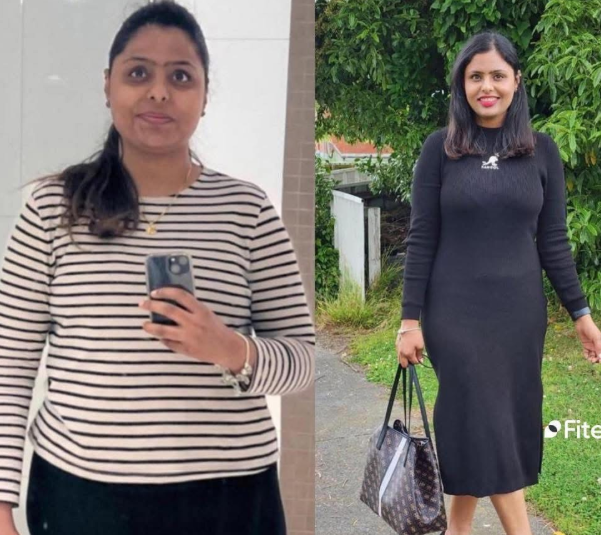
60-day transformation — lost 11.5kg. Reversed PCOD symptoms, bloating, acidity under control. Customized diet plan for busy working woman. ↗

60-day transformation — lost 11.5kg. Reversed PCOD symptoms, bloating, acidity under control. Customized diet plan for busy working woman.

Lighting · Pose / angle · Muscle engagement / posture · Other

The comparison isn’t reliable. In the first photo she’s relaxed and wearing a horizontally striped top that widens the silhouette. In the second she’s angled, wearing a fitted black dress that visually slims the body. Pose, clothing and camera angle alone can create a dramatic difference. Notably, the same model seems to repeat this identical “60-day transformation” in multiple Instagram posts — suggesting these photos may even be taken the same day.

Frequently asked questions

The most effective tricks are the simplest: posture changes, clothing differences, and lighting. Standing slouched with loose clothing under unflattering light in the "before" and standing tall in fitted clothing under warm light in the "after" creates a dramatic visual difference. Tanning, camera distance, and time of day also play major roles.

Yes. Fitness professionals have demonstrated this many times. By combining water manipulation, bloating from a large meal, slouched posture, and unflattering clothing for the "before", then dehydrating slightly, flexing, standing tall, and wearing fitted clothes for the "after", a convincing transformation photo can be created in hours. No actual weight is lost.

This is when the "after" photo is actually taken first. The person photographs themselves in their best condition, then takes the "before" photo afterward — perhaps after a large meal, with poor posture and bad lighting. The photos are then presented in reverse order. This technique is commonly used to sell weight loss programs and supplements.

Clothing has a huge impact. Loose, baggy clothing in the "before" hides the body shape and makes the person appear larger. Form-fitting clothing in dark colors in the "after" creates a slimmer silhouette. Even the waistband height of pants can change how the midsection appears. Some before-after photos use this trick alone to create a convincing transformation.

Check for consistent conditions: same clothing or similar fit, same lighting, same background, same camera angle and distance. Look for a realistic timeframe — healthy weight loss is typically 0.5 to 1 kilogram per week. Be skeptical of transformations tied to a specific product or program, especially if they show extreme results in a short period. Ask whether the person discloses their full routine including diet, exercise, and any other changes.
FakeBeforeAfter

Independent visual education project about misleading before-and-after images in aesthetic medicine. Powered by iGlowly.

Submit a photo Disclaimer DMCA & Takedown
© 2026 fakebeforeafter.com. All rights reserved. This site uses no cookies and does not track you.