FakeBeforeAfter FakeBeforeAfter
Aesthetic Skincare Fitness Weight loss Hair Submit
Submit

Hair

Visual analysis of misleading before–after images related to hair treatments.

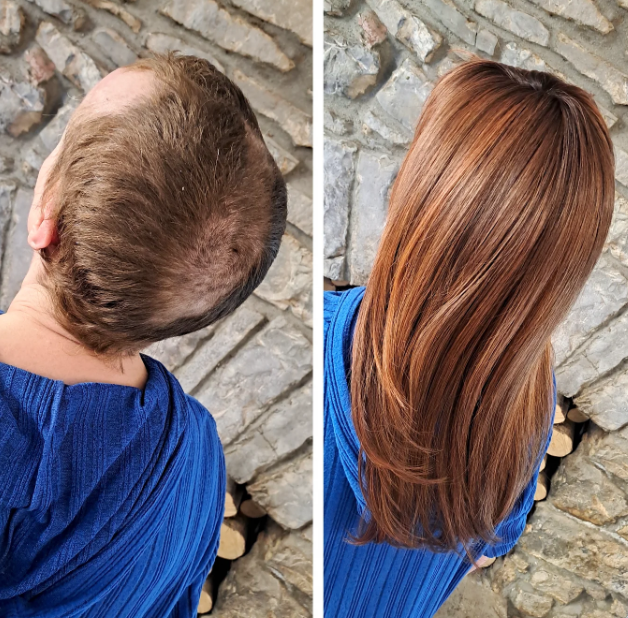
Hair growth 6 weeks transformation with Monat  ↗

Hair growth 6 weeks transformation with Monat

Lighting · other

Six weeks is too short to produce long new hair. Human scalp hair grows about 1–1.5 cm per month, so in six weeks the maximum new growth would be around 2 cm, not full-length strands. If the “after” photo looks fuller or darker, it’s far more consistent with gray hair being colored plus changes in brightness and contrast, which can easily make hair appear denser.
Hair restoration results ↗

Hair restoration results

Photoshop · AI generated · same photo

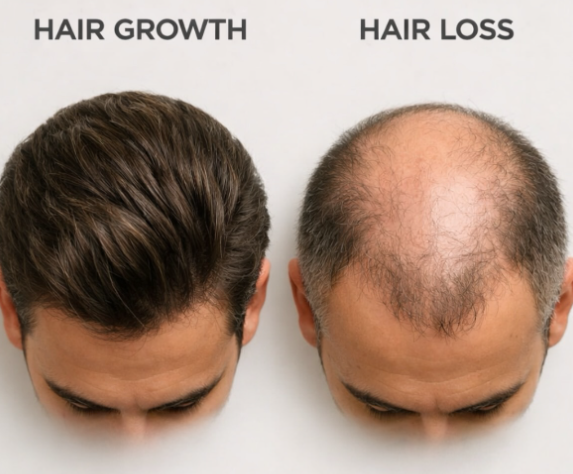
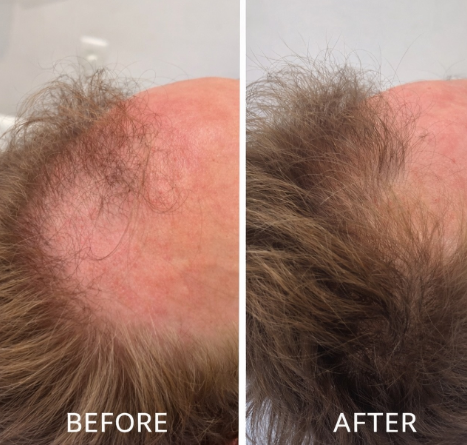
This is heavily photoshopped. The hair in the "after" looks painted on — the edges are too perfect, the density is unnatural, and the scalp texture is completely smoothed out. The same photo reused and edited: identical head position, lighting, and facial contours.

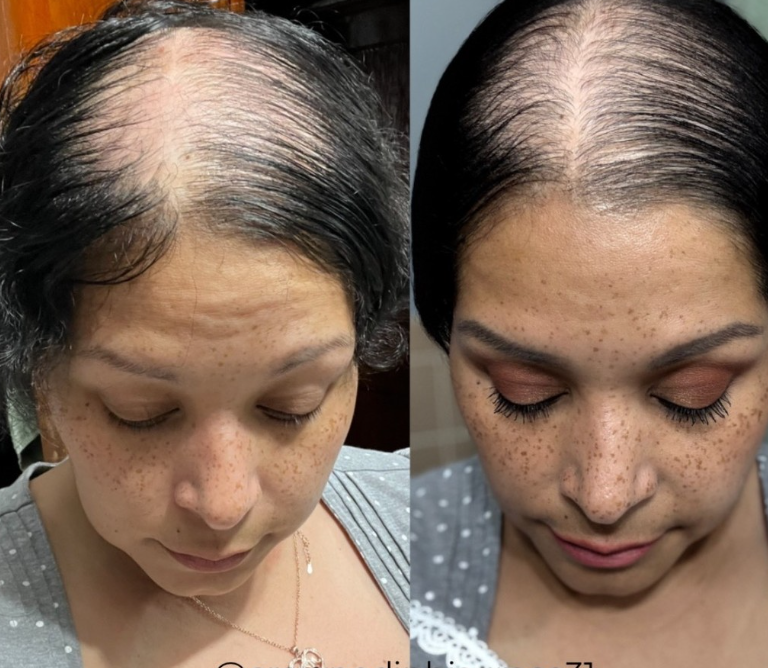
Hair transformation with Hair Filler — 4 sessions at 2-week intervals. ↗

Hair transformation with Hair Filler — 4 sessions at 2-week intervals.

Other

This is misleading. “‘Hair filler’ is a peptide/HA scalp injectable. It may improve scalp quality but does not create new hair follicles or increase density in weeks. The ‘after’ shows a different hair arrangement and direction, with surrounding hair combed forward to cover the thinning area. There’s no clear increase in follicle density. Styling alone can create this illusion — it’s not 8-week regrowth.

Non-surgical hair loss treatments ↗

Non-surgical hair loss treatments

Photoshop

Same setting, same lighting — same day. Non-surgical treatments don’t create instant density and length. This is added hair or editing, not regrowth

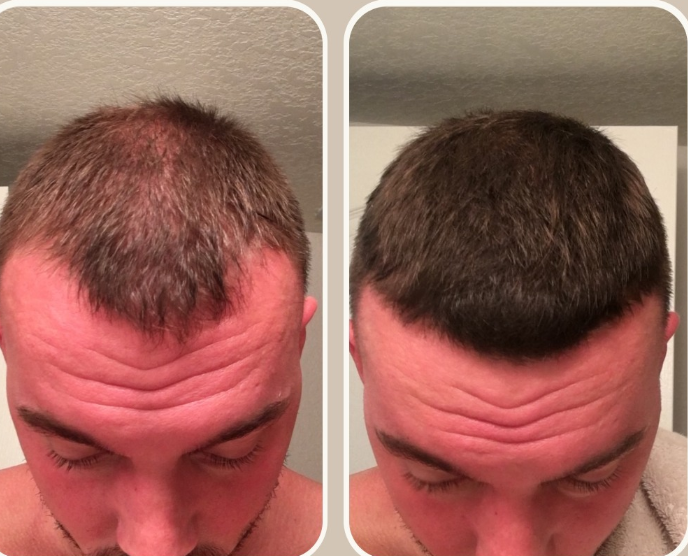
Noticeably thicker, fuller hair growth after using the promoted hair serum. ↗

Noticeably thicker, fuller hair growth after using the promoted hair serum.

Lighting · Photoshop · Other

No serum restores a hairline this clean and this fast. Darker lighting and flattened hair in the before, lifted roots and better light in the after — plus that suspiciously perfect new hairline. Serum, transplant or Photoshop? We know it's not the serum. 😄

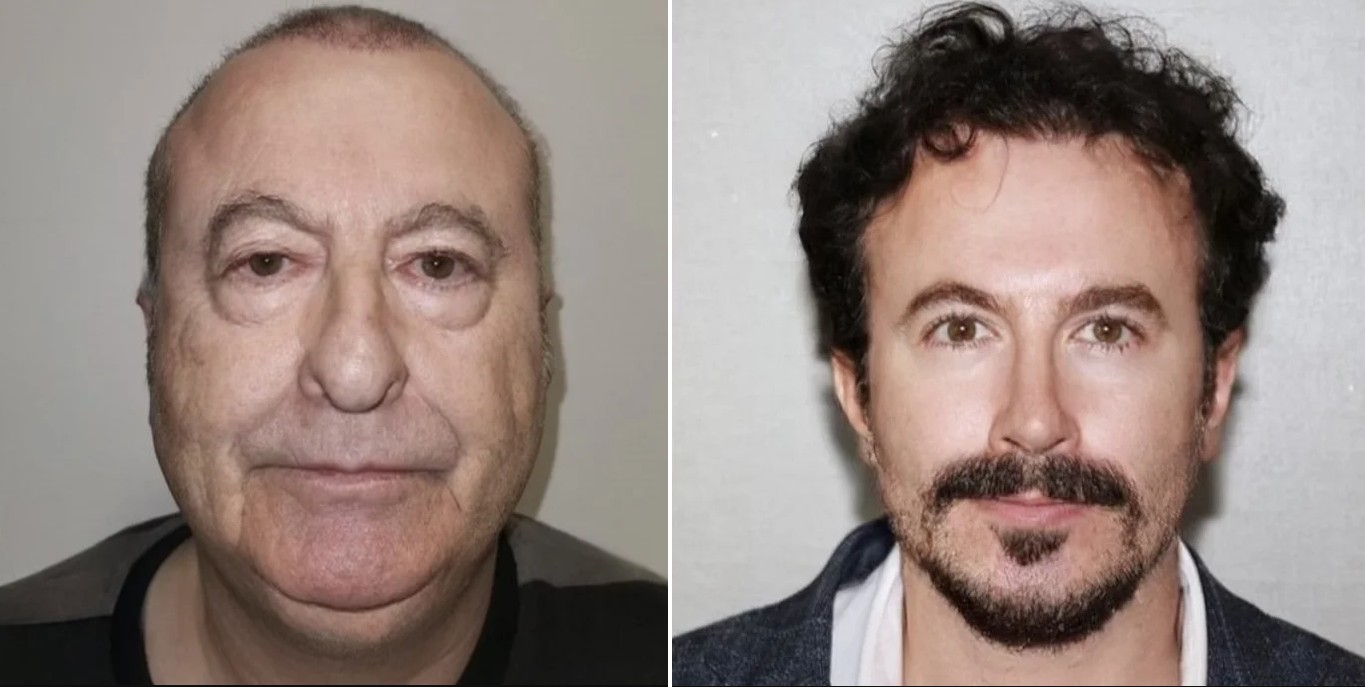
This "Hair transplant result" is actually two different people! ↗

This "Hair transplant result" is actually two different people!

Not same person

Bro. BRO. The nose is completely different. The jaw is completely different. The guy on the right is literally 30 years younger. No hair transplant gives you a new face, and takes 25 years off your age. They just grabbed two random stock photos and called it a transformation. I've seen lazy fake before/afters but this one isn't even trying. 😭

Frequently asked questions

The most common tricks involve changing hair styling, parting, and lighting between shots. Wet hair in the "before" makes it look thinner, while blow-dried and styled hair in the "after" adds volume. Changes in lighting angle can also make the scalp more or less visible, creating an illusion of hair density that does not exist.

Yes. Photos taken at different stages of growth, under different lighting, or at different angles can significantly exaggerate transplant results. Some clinics photograph patients immediately after a procedure when swelling makes the area look fuller. Others use specific hairstyling in the "after" photo to maximize the appearance of coverage.

Backcombing, volumizing products, hair fibers, strategic parting, and blow-drying techniques can all make hair appear significantly thicker. Lighting from behind or from the side creates the illusion of more volume. Some photos also use camera angle changes — shooting from slightly below makes hair appear fuller than shooting from above.

Common tactics include using different camera settings or white balance, photographing at different distances, changing the hair parting location, and allowing natural hair growth cycles to run their course. Hair naturally goes through growth and shedding phases, so a photo taken during a growth phase will always look better regardless of any product being used.

Reliable comparisons use the same hairstyle, same lighting, same camera distance, and same angle in both photos. The hair should be in the same condition — either both wet or both dry. A clear timeline should be stated, and ideally photos are taken by the same photographer using the same equipment. Any photo that changes styling between shots should be treated with skepticism.
FakeBeforeAfter

Independent visual education project about misleading before-and-after images in aesthetic medicine. Powered by iGlowly.

Submit a photo Disclaimer DMCA & Takedown
© 2026 fakebeforeafter.com. All rights reserved. This site uses no cookies and does not track you.