FakeBeforeAfter FakeBeforeAfter
Aesthetic Skincare Fitness Weight loss Hair Submit
Submit

Skincare

Visual analysis of misleading skincare before–after images.

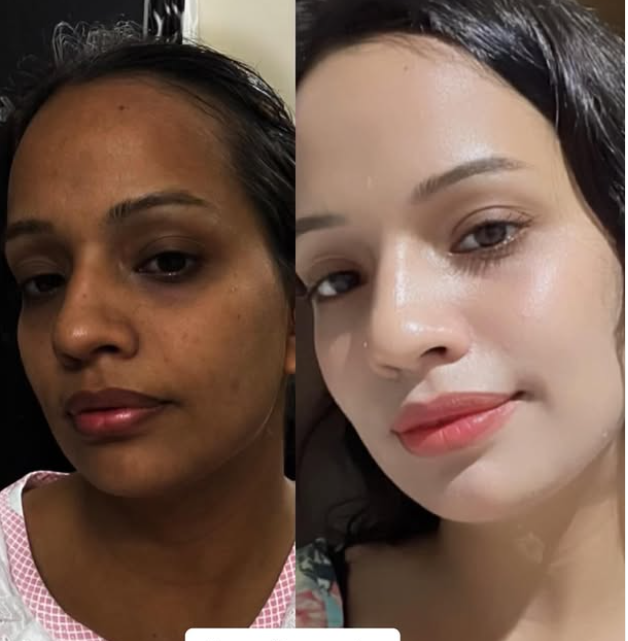
Skin whitening/lightening results tanned skin transformed to lighter, brighter complexion. ↗

Skin whitening/lightening results tanned skin transformed to lighter, brighter complexion.

Photoshop

AMR Beauty Extra Whitening Crea, India (propylene glycol, arbutin, alpha-arbutin, ‘Giga White’, vitamin E, betinol). None of these can change natural skin tone or ‘whiten’ skin like this. At best, arbutin mildly fades pigmentation over time. The rest of this transformation is lighting, filters, makeup, and Photoshop — unless propylene glycol has evolved from a contact allergen into a professional color-grading tool.😄If this were just a beach tan, time and sunscreen would do the job. The rest is filters.

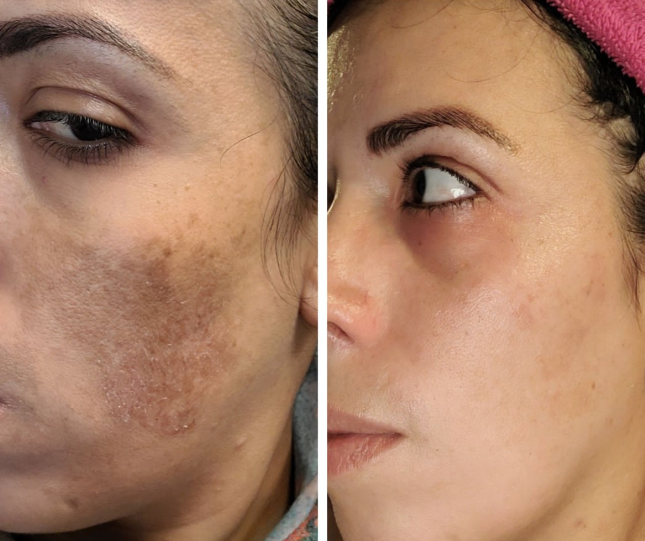
21-day pigment clearance ↗

21-day pigment clearance

Lighting · Pose / angle · Photoshop

Claiming this level of pigment clearance in 21 days is anti-science. Even with prescription-strength hydroquinone, tretinoin, azelaic acid, and tranexamic acid, dermatologists measure results in months, often with lasers. This ‘after’ is achieved through lighting, surface effects, and presentation. Photoshop is not not biology.

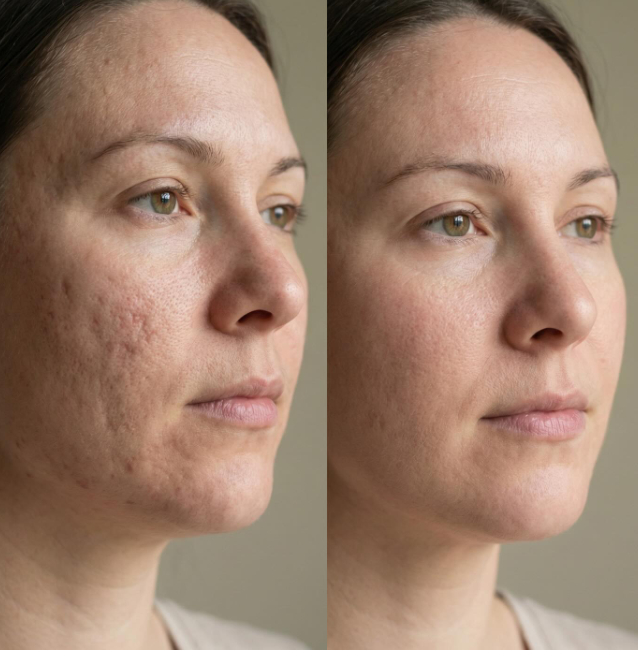
Skin transformation with Pluune: misleading ↗

Skin transformation with Pluune: misleading

Lighting · Pose / angle · Photoshop

This before/after is misleading. Atrophic acne scars are structural dermal defects — they don’t simply vanish with topical recovery serums alone. The changes in the ‘after’ (reduced crater depth, smoother texture, softer shadows) are consistent with lighting, angle, and surface sheen, hydration + Photoshop, not a topical cosmetic effect. No skincare lotion — including ‘skin recovery’ Pluune products — can erase deep scars in a single visible comparison like this.

via Instagram
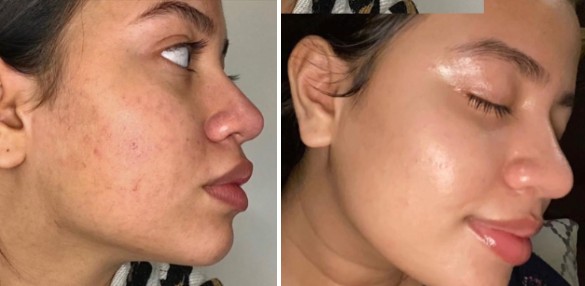
Before and after using vitamin C serum. ↗

Before and after using vitamin C serum.

Lighting · Pose / angle · Photoshop

The “before” is shot in harsh, flat lighting that exaggerates shadows, scars, acne, and texture. The “after” is clearly airbrushed. A vitamin C serum can help brighten and even out skin tone over time, but it cannot erase pores, remove every fine line, or create glass-perfect skin.

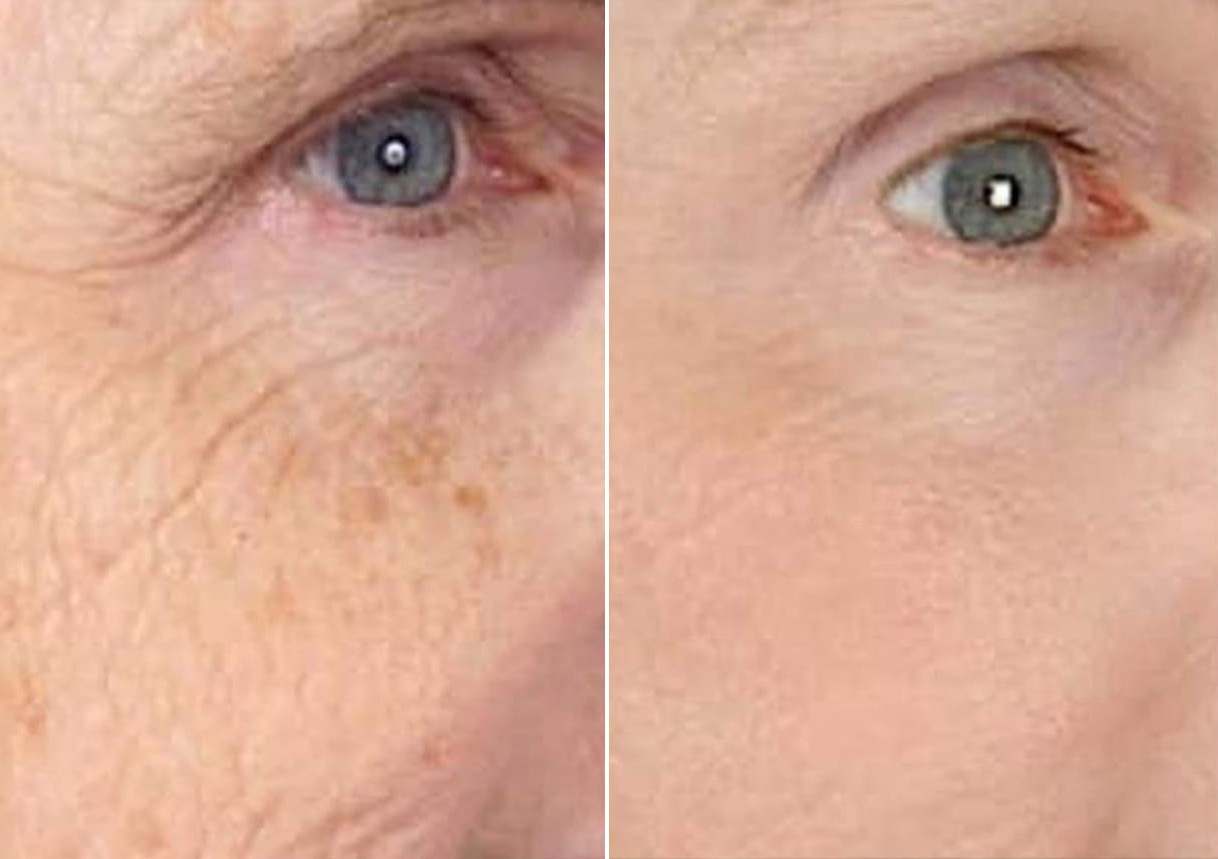
Antiwrinkle serum, 3% retinol.  Spoiler: retinol apparently also does a blepharoplasty ↗

Antiwrinkle serum, 3% retinol. Spoiler: retinol apparently also does a blepharoplasty

Photoshop

When retinol also does a blepharoplasty?! The "after" has a completely different eyelid shape. No serum does that. That's surgery. On top of that every single wrinkle and texture has been Photoshopped out until the skin looks like porcelain. For reference, even the strongest Tret take months to show subtle improvement. A 3% serum doing this? Not in this lifetime.

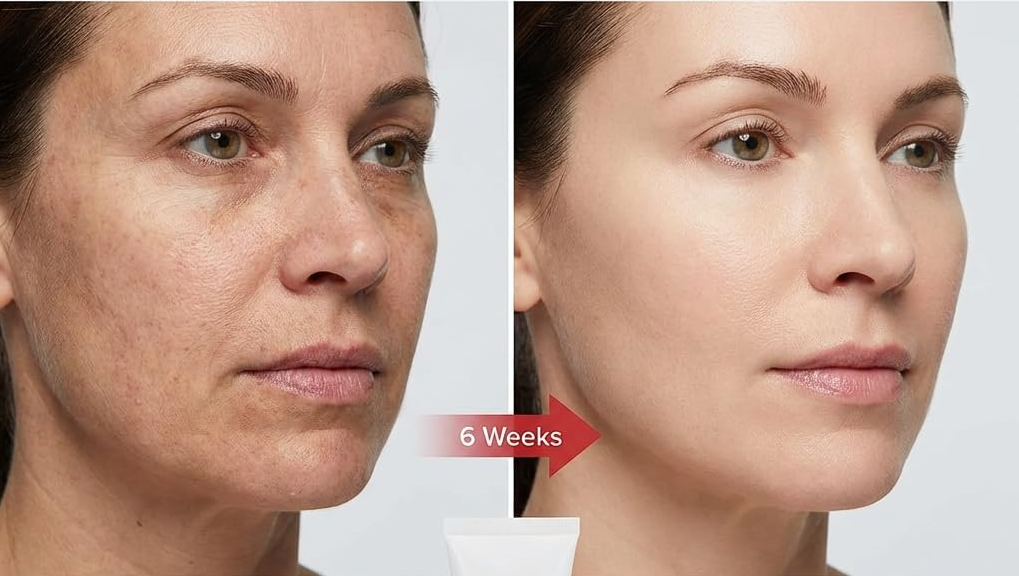
They used three tricks to fake this "6 week" transformation and none of them come in a jar ↗

They used three tricks to fake this "6 week" transformation and none of them come in a jar

Lighting · Time gap unclear · Other

Same woman, two photos, three tricks. The "before" uses harsh lighting to exaggerate every line and texture. Then comes the makeup and groomed brows. Then Photoshop smooths out every pore until the skin looks like plastic. No skincare product does that — ever. Wish I could replace my laser and retinoids with a 6-week cream. Genuinely would love that. But this isn't it.

← Prev Page 2 of 2

Frequently asked questions

Look for differences in lighting, camera angle, and skin moisture. Many fake before-and-after photos use harsh overhead lighting in the "before" shot to emphasize pores and texture, then switch to soft, diffused lighting in the "after" shot. If the skin looks dramatically different but the time gap is unclear, that is a red flag.

The most common trick is using direct flash or overhead fluorescent light in the "before" image, which exaggerates every pore, wrinkle, and blemish. The "after" image is then taken with ring light or natural window light, which smooths skin and creates an even glow. This alone can make skin look completely different without any product being used.

Yes, and many are. Skin appearance changes throughout the day depending on hydration, oil production, and blood flow. A photo taken in the morning with dry skin under harsh light will look noticeably worse than one taken in the evening after moisturizing, even without any treatment. Some misleading photos are taken minutes apart using only lighting and angle changes.

Photos flatten three-dimensional skin into a two-dimensional image, which makes them easy to manipulate. Small changes in distance, focal length, white balance, and post-processing can dramatically alter how skin texture appears. Products may also cause temporary changes like hydration or mild swelling that look impressive in photos but fade within hours.

Trustworthy comparisons use the same lighting setup, same camera distance, same angle, and clearly state the time period between photos. Clinical studies typically use standardized photography rigs with controlled lighting. If a before-after comparison does not mention the conditions under which photos were taken, treat the results with caution.
FakeBeforeAfter

Independent visual education project about misleading before-and-after images in aesthetic medicine. Powered by iGlowly.

Submit a photo Disclaimer DMCA & Takedown
© 2026 fakebeforeafter.com. All rights reserved. This site uses no cookies and does not track you.